Orangeburg Sewer Pipe in Michigan City
Michigan City’s “Cardboard” Sewer Pipe: What You Need to Know About Orangeburg
It’s the weekend. You’re doing laundry in the basement when you hear it, the floor drain starts to gurgle. A few minutes later, dirty water rises onto the floor. You rush to shut off the water, grab towels, and try to stop the mess.
And then the thought hits you: “I just had the sewer cleaned last month. Why is this happening again?”
At Wayne Heating, Plumbing & A.C., we get calls like this all the time. On the surface, it sounds like a simple issue: another clogged drain or a toilet that doesn’t flush properly. But very often, the real problem is much deeper. It’s the main sewer line buried under the yard, installed many decades ago.
In many Michigan City–area neighborhoods built between the 1940s and 1970s, that sewer line isn’t PVC or cast iron. It’s a material called Orangeburg pipe; essentially, a sewer pipe made from cardboard and tar.
What Is Orangeburg Pipe, and Why Was It Used?
The official name for Orangeburg pipe is bituminous fiber pipe. It isn’t plastic or metal. It’s made from wood pulp and paper fibers, rolled into a tube, and soaked in tar. From the outside, it looks like a thick cardboard tube coated in black asphalt-like material.
After World War II, the United States experienced a massive housing boom. Cities needed to connect thousands of new homes to municipal sewer systems quickly. Compared to heavy, expensive cast iron, Orangeburg pipe seemed like a smart solution, cheap, light, easy to cut and quick to install.
Because of those advantages, Orangeburg was widely used from the 1940s through the early 1970s.
What builders didn’t fully account for was longevity. Technical studies and public works research later confirmed that the Orangeburg pipe was designed to last designed to last only about 30 to 50 years. Today, most Orangeburg sewer lines are well beyond their intended lifespan.

Why Orangeburg Pipe Is Often Called a “Time Bomb”
When the Orangeburg pipe is new, it can function normally. The real problems show up decades later, after years of exposure to soil pressure, moisture, and tree roots.
1.The pipe walls soften and deform
Orangeburg is made from fiber and tar. After decades of being underground in wet soil, the material absorbs moisture and begins to soften. Constant pressure from the surrounding soil slowly pushes inward. A round pipe becomes oval. The internal opening narrows. In some cases, the pipe partially or completely collapses, leaving wastewater with little room to flow.
2.The interior becomes rough and traps debris
As the pipe ages, its inner layers can blister, wrinkle, and separate. The once-smooth surface becomes uneven. Toilet paper, grease, and hair catch on these rough spots and begin to accumulate. Hard blockages form.
Homeowners often end up calling for sewer cleaning again and again. Unfortunately, frequent cleaning doesn’t fix the underlying issue, and in some cases, it can speed up deterioration.
3.Tree roots invade easily
Orangeburg pipe joints are weak, and the material itself is soft. Tree roots naturally seek moisture and can easily force their way into tiny gaps. Once inside, roots expand into thick masses that act like a net catching waste, restricting flow, and pushing the pipe even further out of shape.
When these issues combine, the sewer line begins to fail as a system. Drains slow down. Toilets gurgle. Basement floor drains back up. In severe cases, sewage flows back into the home.
How to Tell If Your Home Might Have Orangeburg Pipe
The only way to know for sure is with a professional sewer camera inspection. Before scheduling one, it helps to ask yourself a few questions:
When was your home built? Homes built between 1940 and 1970, especially in postwar subdivisions, have a higher chance of having Orangeburg pipe.
Have you experienced recurring sewer problems, such as blockages or backups, nearly every year?
Do old repair invoices or inspection reports mention “bituminous fiber pipe” or “Orangeburg”?
Along the sewer line’s path in your yard, do you notice soft ground, small sinkholes, unusually lush grass, or sewer odors?
If several of these apply, it’s a strong sign that a closer look is worth your time.
Sewer Camera Inspection: Seeing the Problem Clearly
At Wayne Heating, Plumbing & A.C., we use sewer camera inspections to separate simple clogs from failing sewer lines. Instead of guessing, we let the pipe show us its true condition.
A technician inserts a small camera attached to a flexible cable into the main sewer line through a cleanout or access point. As the camera moves through the pipe, we view the footage in real time. This allows us to identify the pipe material: PVC, clay, cast iron, or Orangeburg, and see exactly where deformation, standing water, root intrusion, or cracks exist.
We walk you through the video and explain what you’re seeing in clear, straightforward terms. You’ll know whether you’re dealing with a one-time blockage or a sewer line that’s nearing the end of its life.
If the inspection reveals a major collapse or severe blockage, our plumbing repair and Emergency Plumbing Services can restore temporary function right away. From there, we help you plan a long-term solution.
Repair or Replace: Understanding the Real Choice
Once the Orangeburg pipe is confirmed and clearly deteriorating, homeowners usually face two options.
Option one: keep getting by
You can continue scheduling sewer cleanings and root cutting, hoping to delay full failure. In the short term, this may seem cheaper. Over time, however, repeated service calls add up. There’s also the constant risk of a sudden backup, often on weekends, holidays, or during heavy rain, when damage and cleanup costs can be far greater.
Option two: plan a full replacement
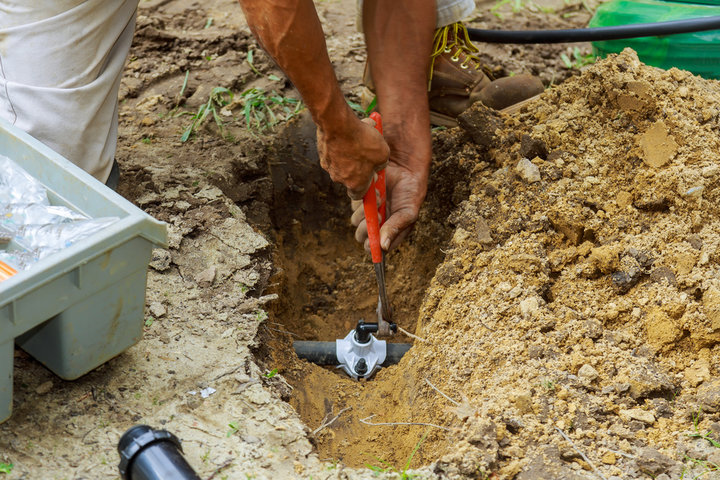
Replacing the Orangeburg sewer line with modern materials provides a permanent solution. Our plumbing installation team designs a plan based on your yard layout, pipe depth, and slope. We work to minimize digging and protect landscaping whenever possible.
After replacement, many homeowners notice an immediate difference. Drains run quietly and consistently, backups stop, and ongoing repair calls become a thing of the past.
Why Address the Problem Now Instead of Waiting?
Many homeowners hesitate because the sewer line still “mostly works.” The temptation to wait a few more years is understandable.
The challenge with Orangeburg pipe is that the material itself is failing. It’s like cardboard that’s been wet for decades; no amount of careful use can restore its strength. Unlike modern PVC, Orangeburg doesn’t age gracefully.
Addressing the issue early reduces the risk of late-night emergencies, protects basement finishes and stored belongings, and prevents surprises during future home inspections. In many cases, a planned replacement costs less over time than years of emergency cleanings.
Once the new line is installed, routine plumbing maintenance like checking valves, testing sump pumps, and monitoring drainage becomes simpler and far less stressful.

Why Choose Wayne Heating, Plumbing & A.C.?
Wayne Heating, Plumbing & A.C. has served local homeowners for over 70 years. We work throughout Michigan City, La Porte & surrounding areas, and we service older homes every day. That experience gives us firsthand knowledge of how local soil conditions, weather, and construction styles affect Orangeburg sewer lines.
From the initial camera inspection to professional plumbing installation and long-term plumbing maintenance, you work with a local team that understands your neighborhood. No guesswork, no out-of-town contractors unfamiliar with the area.
Take the First Step
Before scheduling work, be sure to check our current Wayne Plumbing specials and coupons. Many homeowners find offers that apply to sewer inspections, drain cleaning, or replacement projects.
If your home may have Orangeburg pipe or if you’ve been dealing with sewer issues for years, now is the right time to find out what’s happening underground. Call Wayne Heating, Plumbing & A.C. at (219) 874-4131 or submit a request through our contact page.
The sooner you understand the condition of your sewer line, the less you’ll have to worry about backups, messes, and surprise costs down the road.
